
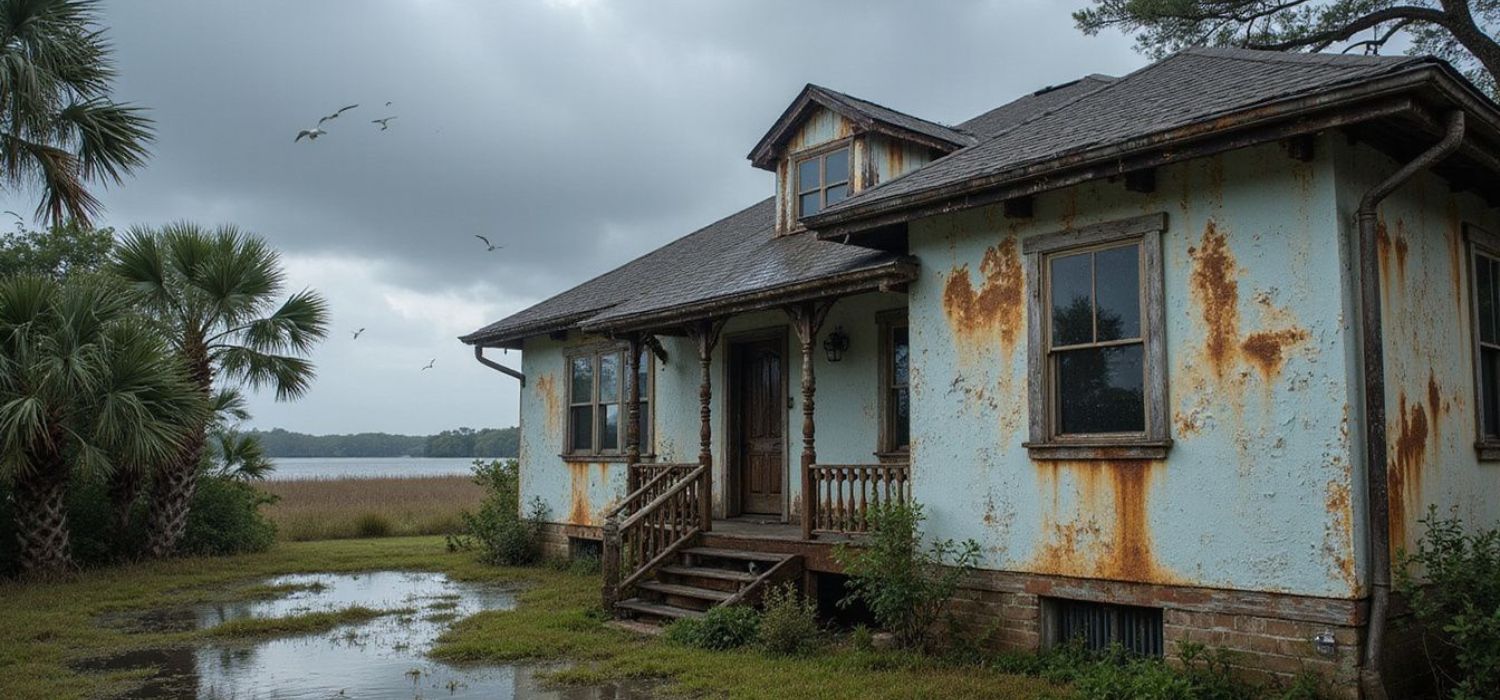
Water stains, musty smells, or that sticky, heavy air after a storm can make any home feel like a constant maintenance project. Along the coast of North Carolina, moisture has a way of finding weak spots and hanging around longer than it should. That’s exactly why we put this guide together. We want to help you understand what’s happening and what actually works to fix it.
At Impact Crawlspace, we spend a lot of time under homes and around foundations because that’s where moisture problems usually begin. Coastal weather creates a unique mix of challenges, so we focus on practical solutions like crawl space encapsulation, drainage systems, sump pumps, and humidity control that hold up in real conditions.
Key Weather Challenges in Coastal North Carolina
Living near the coast comes with its perks, but your home deals with a steady combination of rain, humidity, and salt air that can wear things down over time.
According to the National Oceanic and Atmospheric Administration’s Wilmington climate normals, the area sees about 60.15 inches of rainfall each year. Add in hurricane-season storms and high humidity, and moisture becomes a constant factor. The Federal Emergency Management Agency also notes that salt air can accelerate corrosion of metal connectors and fasteners, which matters more than most people realize. When those components weaken, water can start finding its way into places it should not be.
Rain saturates the soil and pushes water toward foundations. Humid air moves into crawl spaces and condenses on cooler surfaces. Salt in the air quietly breaks down materials over time. Even when things look dry on the surface, moisture can stay trapped in wood and insulation.
Heavy Rainfall and Flooding
Storms along the coast can drop a lot of water in a short amount of time, especially in late summer and early fall. In Wilmington, rainfall averages climb to 8.16 inches in August and 8.69 inches in September, which lines up with when we see the most calls for drainage and crawl space issues.
When the ground becomes saturated, water starts pushing against foundation walls and looking for a way inside. That’s where drainage becomes critical. If water can’t move away from the structure, it will settle in low areas or seep into crawl spaces.
We often install French drains to manage this kind of water. These systems collect and redirect runoff before it builds pressure against the foundation. When installed correctly with proper slope and filtration, they continue working long after the first storm passes.
Flooding also brings hydrostatic pressure into play. Even a small amount of standing water creates force against foundation walls, and that pressure can push moisture through cracks and porous materials. Crawl space encapsulation helps reduce the amount of moisture that lingers after water recedes, especially in areas prone to repeated storms.
If you want to stay ahead of problems, it helps to check a few key areas early in the season. Make sure the gutters are clear, confirm that the downspouts carry water away from the house, and check your crawl space after the first heavy rain. Those early signs often point to where improvements are needed.
High Humidity and Moisture Levels
Standing water is only part of the story. Along the coast, humidity alone can create ongoing moisture issues.
The National Weather Service reports an average relative humidity of around 74% in Wilmington, and the Environmental Protection Agency recommends keeping indoor humidity below 60%, with an ideal range of 30%–50%. That gap explains why crawl spaces often stay damp even when there’s no visible water.
Warm, humid air enters the crawl space and meets cooler surfaces like ductwork and framing. That contact creates condensation, which can lead to mold growth and long-term material damage.
We approach humidity control as a system. Encapsulation seals off the ground and outside air, reducing moisture entering the space. A dehumidifier then keeps humidity levels stable, usually around 50%–55%. Air sealing closes off gaps where humid air sneaks in, and proper insulation helps reduce temperature swings that cause condensation.
We also see situations where traditional crawl space vents actually make things worse. In hot, humid weather, outside air entering a cooler crawl space can raise moisture levels rather than lower them. Sealing and controlling the environment tends to produce more consistent results.
How Coastal Weather Impacts Your Home
Coastal conditions do more than make things feel damp. They affect how your home drains, how materials dry, and how air moves through the structure.
When soil remains saturated, water exerts pressure against foundation walls and can seep through small openings. Over time, that pressure finds cracks, joints, and seams that allow moisture to enter.
Inside the home, that moisture often shows up as musty air, soft flooring, or visible staining. In crawl spaces, it can lead to sagging insulation, damp wood, and even pest activity. According to NC State Extension, moisture and wood debris can increase the risk of termite activity, including Formosan subterranean termites found in parts of North Carolina.
We look at all of these factors together during an inspection. Instead of chasing one symptom, we trace how moisture moves through the property and address the root cause.
Foundation and Structural Risks
Persistent moisture can take a toll on the structure itself. Hydrostatic pressure, even at relatively low levels, adds up when it spreads across a large surface area. Even a small amount of standing water builds up steady pressure against your foundation, and over time, that pressure can slowly push moisture through tiny cracks or weak spots in the wall.
We often see water entering through:
- Failed sealant joints
- Gaps around pipes and utility lines
- Small cracks in concrete or masonry
- Transitions between different building materials
Once moisture gets in, it can keep insulation wet, encourage mold growth, and weaken wood framing. In coastal environments, corrosion adds another layer of concern, as metal connectors and fasteners gradually lose strength.
Addressing these issues early helps prevent more extensive repairs later. That may involve sealing cracks, replacing damaged materials, and improving drainage to reduce ongoing pressure against the foundation.
Our Waterproofing Approach for Coastal Properties
Every property is different, but the most reliable results come from combining a few key strategies. We focus on moving water away, blocking moisture where possible, and controlling the air inside the crawl space.
Proper drainage plays a big role. The International Residential Code recommends that soil slope away from the foundation by at least 6 inches within the first 10 feet. Downspouts should also carry water several feet away from the home to prevent it from soaking the soil near the foundation.
Once drainage is addressed, we look at encapsulation, sump pumps, and coatings as part of a larger system.
Crawl space encapsulation creates a sealed environment that limits moisture intrusion. A reinforced vapor barrier covers the ground and walls, seams are sealed, and vents are closed off. This helps stabilize humidity and reduce the amount of damp air entering the home.
When water intrusion is a concern, sump pumps provide a way to remove collected water. We often recommend systems with backup power options, especially in areas that experience storms and outages.
Water-repellent coatings add another layer of protection for foundation walls. These coatings help reduce moisture movement through masonry, but they work best when paired with proper drainage. Surface preparation and correct application make a big difference in how well they perform over time.
Ongoing Moisture Control and Maintenance
Coastal conditions mean waterproofing isn’t a one-time task. Regular checks and maintenance help keep systems working the way they should.
Before hurricane season, it’s a good idea to test sump pumps, clear gutters, and confirm that drainage systems are ready for heavy rain. After a storm, checking for standing water or new odors can help catch issues early.
Keeping an eye on humidity levels inside the crawl space also helps. If readings start creeping up, it may point to a drainage issue, a tear in the vapor barrier, or a dehumidifier that needs attention.
We always guide homeowners through these steps so they know what to watch for and when to take action.
Conclusion
Coastal North Carolina weather brings a steady mix of rain, humidity, and salt air that can challenge any home. When moisture sticks around, it often points to a bigger issue below the surface.
Our waterproofing service helps homeowners and commercial property owners take control of those conditions through crawl space encapsulation, drainage systems, sump pumps, and humidity-control strategies designed for this environment. If you’re dealing with ongoing moisture problems, we can take a look, explain what’s happening, and help you move forward with a plan that makes sense.
FAQs About Coastal North Carolina Weather & Its Impact on Waterproofing
How does coastal weather affect waterproofing?
High humidity, frequent rain, and salt air can break down materials and increase the risk of moisture intrusion and mold growth over time.
Which areas of a home need the most attention?
Crawl spaces, foundations, basements, and areas around windows and doors are often the most vulnerable to moisture issues.
How often should waterproofing systems be checked?
We recommend checking at least once a year and after major storms to make sure everything is working properly.
What helps protect a home from moisture near the coast?
Good drainage, sealed crawl spaces, controlled humidity, and regular maintenance all play a role in keeping moisture under control.