Many Raleigh, NC, homeowners understand the constant battle against the elements. Your crawl space often turns into a damp breeding ground for mold and structural damage. This issue stems from heavy rainfall, high humidity, and dense clay soil that traps water.
At Impact Crawlspace, we witness how these conditions damage local properties. We specialize in effective crawl space solutions tailored to North Carolina’s climate. Our team transforms wet, unhealthy areas into dry foundations that support your home’s value.
Understanding Raleigh’s Moisture Problem
Raleigh sits in a climate zone that poses distinct risks for foundations. The area receives about 46 inches of rain annually, which is well above the national average. This constant moisture exposure puts tremendous pressure on your home’s foundation.
But rain isn’t the only issue facing homeowners. North Carolina humidity levels regularly climb above 70% during the summer months. This high moisture content creates condensation problems even when it is not raining.
The soil composition makes the situation significantly worse. The predominant clay soil in Raleigh doesn’t drain well. Water pools around foundations and eventually seeps into crawl spaces through cracks and vents.
These three factors work together to create an environment where mold thrives. Left untreated, moisture problems lead to wood rot and sagging floors. You may also face pest infestations and poor indoor air quality throughout your home.
Crawl Space Encapsulation Benefits and Limitations
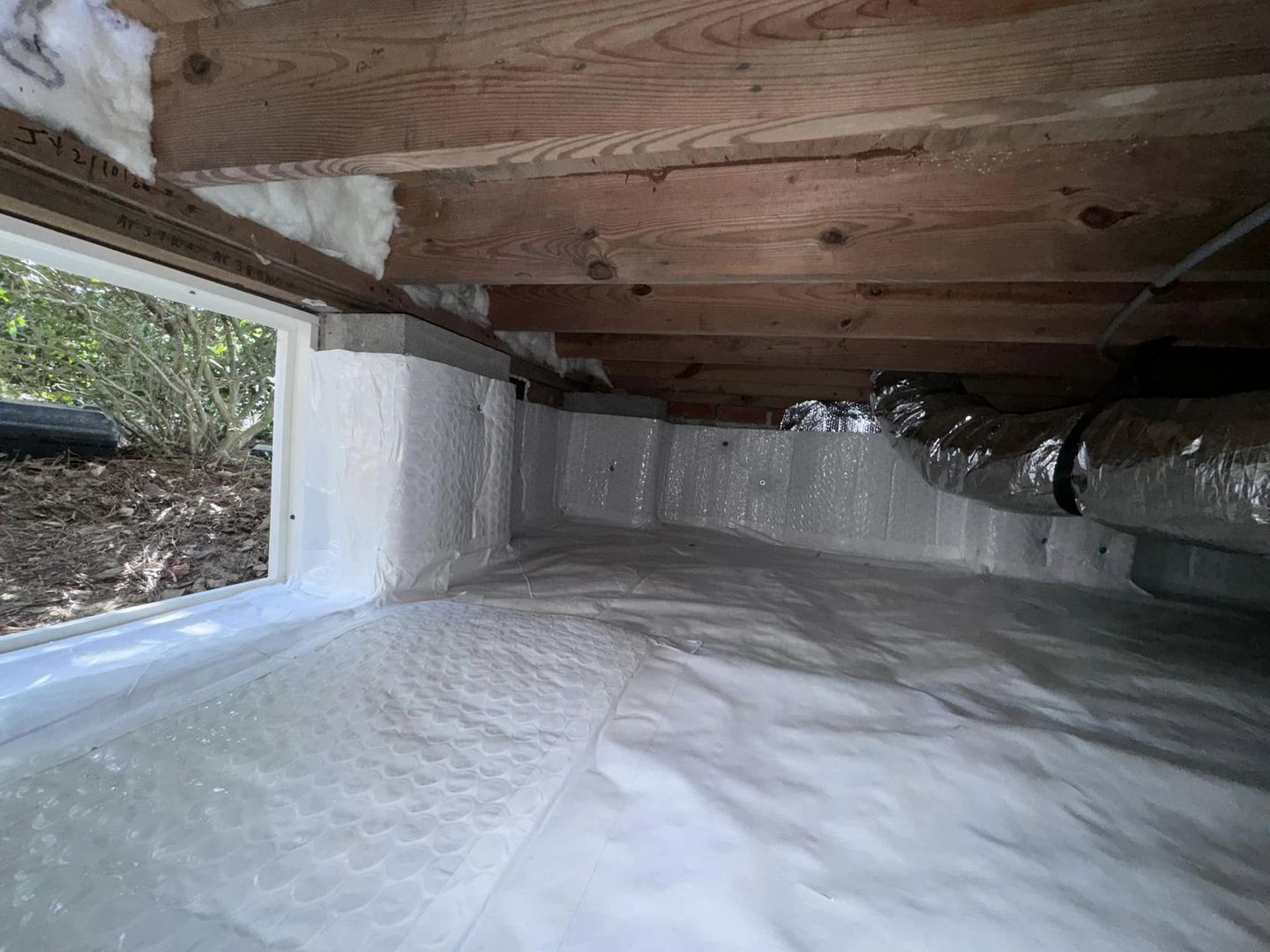
Crawl space encapsulation offers powerful protection against moisture intrusion. This process involves sealing your crawl space with a thick vapor barrier across the floors and walls. The barrier physically prevents ground moisture from entering your home.
The benefits of this system are substantial. You’ll likely see reduced energy bills because conditioned air stays inside your living space. Encapsulation also eliminates musty odors and improves the overall indoor air quality.
Many homeowners notice fewer allergy symptoms after the installation. Mold spores and dust mites can’t survive in these dry environments. Your HVAC system works more efficiently due to the reduced moisture load.
However, encapsulation isn’t perfect for every situation. Homes with active water intrusion need drainage solutions first. You can’t simply seal over existing flooding problems.
The Environmental Protection Agency even recommends addressing water sources before installing vapor barriers. Otherwise, you risk trapping moisture inside the walls. This mistake can create bigger structural problems over time.
Ideal Homes for Encapsulation
Encapsulation works best for homes with relatively dry crawl spaces that occasionally experience moisture issues. If you’re dealing with minor humidity problems rather than standing water, this is your answer.
Homes built on clay soil benefit greatly from this approach. The vapor barrier prevents ground moisture from becoming a problem. Older homes with vented crawl spaces see dramatic improvements after sealing.
Properties with finished living spaces above the crawl space are prime candidates. Sealing the crawl space protects your financial investment. It also creates a much healthier indoor environment for your family.
Waterproofing Solutions for Severe Problems
Sometimes, encapsulation alone isn’t enough to prevent water from leaking. Homes with serious water intrusion need comprehensive waterproofing systems. These solutions tackle moisture at multiple points to keep the area dry.
Interior drainage systems collect water before it pools in your crawl space. Perforated pipes run along the foundation perimeter to catch the water. These pipes channel the water to a sump pump.
The sump pump removes water automatically from the space. This prevents hydrostatic pressure from building up under your home. It effectively manages bulk water entry during storms.
Exterior waterproofing creates a barrier on the foundation walls themselves. This approach prevents water from entering your crawl space. However, it requires extensive excavation around your home’s perimeter.
The main limitation of waterproofing is the cost. Exterior systems can cost thousands of dollars, depending on the size of the home. Installation is also disruptive to landscaping and hardscaping.
When Waterproofing Makes Sense
You need waterproofing if you see standing water after heavy rains. Homes in low-lying areas or near water sources often require these robust solutions. The natural grade of the land directs water toward the house.
Properties with a history of basement flooding are good candidates, too. The same principles that protect basements also apply to crawl spaces. Proper waterproofing installation prevents future damage to the structure.
If you’ve already tried encapsulation but still have moisture problems, waterproofing addresses the root cause. Sometimes you need both systems working together. This combination provides the ultimate defense against water.
Comparing Costs and Long-Term Value
Initial costs matter, but they don’t tell the whole story. It’s important to break down what you’re paying for with different Raleigh crawl space solutions. Quality protection is an investment in your property.
According to our research, basic encapsulation typically starts around $3,000 for smaller homes. Larger properties or complex layouts can reach $8,000 or more. This includes vapor barriers, sealing vents, and installing a dehumidifier.
Comprehensive waterproofing systems typically cost between $5,000 and $15,000. You’re paying for drainage systems and sump pumps. Exterior excavation work will further increase this price.
Return on Investment Analysis
The real value of these systems shows up over time. Energy savings from encapsulation average 15%–20% on heating and cooling costs. For a typical Raleigh home, that equals $200–$400 annually.
Property value increases are significant as well. Homes with moisture-controlled crawl spaces sell faster and command higher prices. Buyers are willing to pay premiums for homes with professional moisture solutions.
You also avoid costly repairs down the road. Replacing rotted floor joists costs thousands of dollars. Mold remediation services run even higher.
Prevention is always cheaper than the cure. Most homeowners see a full payback within 7–10 years through combined savings. After that, you enjoy the financial benefits of a protected home.
Durability and Performance Factors
Material quality makes a huge difference in how long your solution lasts. Cheap vapor barriers tear easily and need to be replaced within a few years. Professional-grade materials last for decades without failing.
We use 20-mil reinforced polyethylene barriers that resist punctures and tears. These barriers maintain their integrity even with temperature fluctuations. They also withstand ground movement.
Dehumidifier quality matters just as much for long-term success. Residential units burn out quickly in harsh crawl space environments. Commercial-grade units handle the heavy workload year after year.
Waterproofing systems need proper installation to perform correctly. Drainage pipes must slope toward the sump pump. Any low spots that create standing water defeat the purpose of the system.
Maintenance Requirements
Encapsulated crawl spaces need minimal upkeep. Check your dehumidifier quarterly to ensure it has power. Empty the reservoir if it’s not pumped automatically.
Inspect the vapor barrier annually for any tears or separation. Small gaps can compromise the system if left unchecked. Simple tape repairs usually fix these minor issues.
Waterproofing systems require slightly more attention. Clean the sump pump screens every few months. Test the pump before rainy seasons to confirm it works properly.
Both solutions benefit from annual professional inspections. We catch small problems before they become expensive repairs. Most homeowners find this peace of mind worth the modest inspection fee.
Choosing the Right Solution for Your Home
Start by honestly assessing your current situation. Walk through your crawl space with a bright flashlight. Look for standing water, damp insulation, or white mineral deposits on foundation walls.
If you see minor moisture or condensation, encapsulation will likely resolve the issue. Active water intrusion also signals the need for waterproofing. Puddles or mud indicate a drainage failure.
Consider your home’s location and lot grading. Properties in flood zones or with poor drainage need more robust solutions. Homes on well-draining lots might need only encapsulation.
Your budget plays a role, but don’t let it be the only factor. Choosing the cheapest option now often leads to more expensive problems later. We help you find solutions that fit your financial situation.
Professional Assessment Makes the Difference
Do-it-yourself moisture detection only goes so far. Professional inspections use thermal imaging and moisture meters to find hidden problems. We identify issues you can’t see with the naked eye.
Our team evaluates your specific soil conditions and drainage patterns. We also examine your home construction style. This comprehensive approach allows us to recommend the right solution the first time.
Many homeowners are surprised to learn their moisture problem stems from other sources. Poor gutter drainage or grading issues often contribute to the dampness. We identify these factors so your crawl space solution works effectively.
Conclusion
Raleigh’s distinct climate challenges demand proper crawl space solutions. These systems must withstand heavy rain, high humidity, and difficult soil conditions. Whether you need encapsulation or comprehensive waterproofing, the right approach protects your foundation.
The investment in professional Raleigh crawl space solutions pays dividends. You’ll see lower energy bills, improved air quality, and avoided repair costs. Your home’s foundation stays dry and structurally sound for decades.
Don’t wait for minor moisture issues to become major structural problems. Schedule an inspection or estimate online with our team today.
