
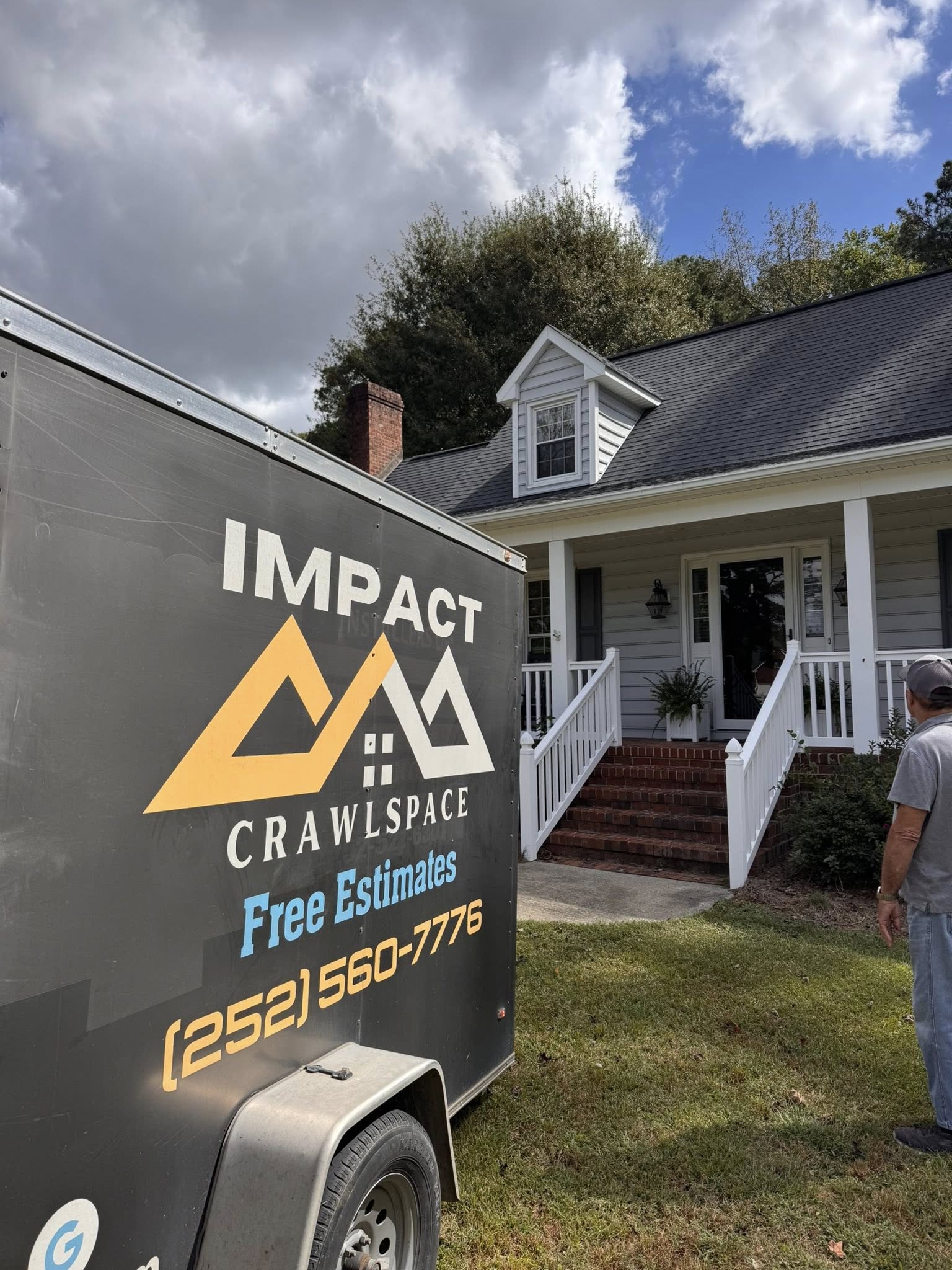
Are you noticing musty smells, mold spots, or sagging floors from a damp crawl space in North Carolina? We see this a lot, and our research shows crawl space waterproofing in North Carolina matters because high humidity fuels mold and wood rot. This post compares crawl space encapsulation, vapor barriers, and drainage system options and explains how heavy-duty liners, interior drains, sump pumps, and dehumidification protect foundations, cut humidity, and help crawl space repair. Read on to find the best fix for your home.
Crawl Space Encapsulation
Encapsulation seals the crawl space to keep out moisture and damp air. We use vapor barriers, insulation boards, and sealing tape for better home comfort and air quality.
Benefits of Encapsulation
Our products solve crawl space moisture and protect house value for homes in Pinehurst, Moore, Carthage, Charlotte, and Whispering Pines. They stop active moisture by sealing the ground with a crawl space vapor barrier, which fixes current issues and prevents mold and odor control problems. Supplying materials for full encapsulation prevents future water entry and guards against humidity, snow, rain, and flooding to preserve structural integrity. These systems protect wood and framing from rot and pests, lowering the chance of foundation and concrete repair work later. By cutting crawl space moisture, they maintain cleaner air inside the home, improving indoor air quality and helping basement finishing projects. Crawl space insulation and a sealed system improve energy use, lower energy bills, and boost comfort. Furthermore, these supplies cut mold growth and odors, keep pests out by sealing gaps with durable liners, and improve the appearance and longevity of the crawl space. Long-term risk is reduced by pairing encapsulation with dehumidifiers and reliable support products. The right materials also support necessary structural fixes and often pair well with long-term or transferable warranties, enhancing resale value and buyer confidence.
Materials Used in Encapsulation
Crawl space encapsulation utilizes various materials to create a protective barrier against moisture, and the right components help maintain a dry and healthy environment. A 20-mil vapor barrier serves as the primary line of defense, preventing moisture from entering the crawl space and protecting the structural integrity of homes. We provide crawl space dehumidifiers to control humidity levels by removing excess moisture in the air, which reduces mold growth and wood rot. Thermal insulation enhances energy efficiency by keeping crawl spaces warmer in winter and cooler in summer, helping lower energy expenses. Drainage matting aids water flow away from the foundation, preventing puddles from forming under the vapor barrier and ensuring proper drainage throughout the encapsulated area. Sump pumps are crucial for actively pumping out any groundwater that enters the crawl space to keep it dry year-round. Additionally, specialized crawl space drains capture groundwater effectively and quickly move water away from home foundations. Sealing open vents is another important step in encapsulation to block outside humidity from seeping in and to maintain consistent internal conditions. Using high-quality materials ensures we provide effective solutions that outperform standard DIY options found at local hardware stores.
Vapor Barriers
Vapor barriers play a crucial role in protecting crawl spaces from moisture. They work by creating a seal that prevents dampness from entering, which helps maintain a dry and healthy environment.
Purpose of Vapor Barriers
Vapor barriers block groundwater and outdoor humidity from entering crawl spaces. This protection is essential in North Carolina, where we experience higher humidity and rainfall. These barriers help prevent mold growth, wood rot, and musty odors by controlling moisture ingress. They also contribute to healthier indoor air quality by reducing the movement of moisture and related contaminants. Installing vapor barriers can repel pests that seek damp environments. We observe how effective these barriers enhance the overall appearance of crawl spaces too. Homeowners benefit greatly when they choose a dependable vapor barrier as part of their waterproofing strategy for long-term success in moisture control.
Installation Process
Crawl space encapsulation involves careful steps to ensure effectiveness. We focus on the details during installation to protect against moisture.
- First, we clear the crawl space of debris and damaged insulation to create a clean working area.
- Next, we seal any vents to prevent outside air from entering. This step is crucial for maintaining a stable environment.
- After that, we lay down polyethylene sheeting across all crawl space surfaces, including floors and walls. This material acts as a barrier against moisture.
- Then, we properly secure the edges of the vapor barrier with tape or adhesive to ensure no gaps exist.
- Finally, we conduct a thorough inspection to check for any vulnerabilities or areas needing additional attention.
This systematic approach guarantees that our vapor barriers deliver long-lasting protection in North Carolina’s humid environment. For anyone considering crawl space moisture control, professional installation is essential for durability and efficiency.
Drainage Systems
Drainage systems play a crucial role in protecting crawl spaces from excess moisture. They guide water away, preventing damage and promoting a healthy foundation.
Types of Drainage Systems
Crawl spaces require effective drainage systems to prevent flooding and moisture buildup, and we offer various options crafted for homes in North Carolina. Heavy-duty interior drains feature a substantial thickness to provide reliable relief from groundwater accumulation by guiding water towards collection points efficiently. Perimeter drains installed around the edges of the crawl space capture water before it enters the area under your home, channeling moisture away to safeguard your foundation. Sump pumps automatically remove rising water from the crawl space, working tirelessly to prevent flooding and ensure your home remains dry and safe. Drainage matting is often used alongside other systems to facilitate water movement toward drains and sump pumps effectively, optimizing drainage performance in damp conditions. Additionally, specialized crawl space drains target excess moisture directly beneath your home to significantly improve indoor air quality and reduce mold risks. Our team at Impact Crawlspace understands each system’s strengths and can help you select the best drainage solution for your needs in Pinehurst or Moore, NC.
How Drainage Systems Protect Crawl Spaces
Drainage systems play a crucial role in protecting crawl spaces from moisture damage by capturing and redirecting groundwater and surface water away from the foundation. This action minimizes the risk of moisture buildup, which often leads to mold growth, wood rot, and musty odors. Sump pumps and drains operate together to create a dry environment under homes, and during heavy rainfall, these systems work effectively to ensure crawl spaces remain safe. Proper drainage significantly enhances the structural integrity of homes and helps reduce water-related issues that can damage foundations and subfloors over time. In cities like Charlotte, NC, where rain is frequent and humidity is high, effective drainage is vital for homeowners. Utilizing quality drainage systems not only protects properties but also improves home efficiency by reducing repair needs in the future.
Comparing Encapsulation, Vapor Barriers, and Drainage Systems
Crawl space encapsulation, vapor barriers, and drainage systems all serve distinct purposes. Each approach can protect homes in North Carolina from moisture issues and enhance overall air quality. Recognizing these differences helps us select the best solution for our specific needs.
Key Differences
We compare the main differences among encapsulation, vapor barriers, and drainage systems.
| Feature | Encapsulation | Vapor Barrier | Drainage System |
|---|---|---|---|
| Primary Purpose | We seal the whole crawl space to control moisture, air, and temperature. | We block water vapor from rising into the home. | We move liquid water away from the foundation. |
| Scope | We combine multiple methods for full protection. | We cover only the ground and low walls. | We install channels, French drains, or exterior systems. |
| Components | We use vapor barriers, dehumidifiers, insulation, drainage, and sump pumps. | We use heavy plastic or reinforced sheets on soil and walls. | We use pipes, gravel, drain basins, and pumps. |
| Type of Water Addressed | We handle vapor and liquid with integrated methods. | We control only moisture vapor. | We manage liquid intrusion and flooding. |
| Best Use Case in NC | We recommend for Eastern North Carolina homes with high humidity and occasional flooding risk. | We recommend where humidity is the main concern and no major leaks exist. | We recommend in flood-prone yards and near poor surface drainage. |
| Material Quality and Warranty | We use higher grade materials and offer longer, transferable warranties. | We often use standard sheet materials with shorter warranties. | We use durable piping and pumps; warranty varies by component. |
| Energy and Home Health Impact | We improve energy efficiency and indoor air quality long term. | We reduce ground moisture but offer limited insulation value. | We reduce structural water damage risk; impact on energy is indirect. |
| Installation by Pros | We perform full inspections and tailor systems to the property. | We install faster, but results depend on surface prep and material grade. | We need site grading and proper slope for best results. |
| When Essential | We use encapsulation as a long term solution with warranties and combined controls. | We use vapor barriers where humidity is the main issue and no liquid problems exist. | We use drainage systems where liquid intrusion or flooding is likely. |
Choosing the Right Solution for NC Homes
Selecting the right solution for NC homes requires careful consideration. Our area faces unique challenges like humidity and fluctuating temperatures. Crawl space encapsulation offers great benefits in this climate, helping to control moisture levels and improve air quality. We often recommend using high-quality materials for effective encapsulation. Vapor barriers serve a critical purpose too. They provide essential protection from dampness that can lead to mold growth. The installation process is straightforward but requires precision. Drainage systems also play a vital role in safeguarding crawl spaces against water intrusion and excess moisture buildup. Each method has its strengths, so we must evaluate each home’s specific needs to decide between a vapor barrier versus encapsulation or implementing drainage systems effectively.
Conclusion
Crawl space encapsulation, vapor barriers, and drainage systems each offer unique benefits for homes in North Carolina. We see that encapsulation provides comprehensive moisture control and enhances air quality. Vapor barriers act as a strong defense against water vapor too. Drainage systems ensure proper water flow away from your home. Choosing the right solution involves understanding these differences to protect our properties effectively.