
If you are searching for crawl space home repairs, chances are something under your house is worrying you. Maybe the floor feels bouncy when you walk across the living room. Maybe there is a musty smell you cannot track down no matter how much you clean.
Your indoor air quality, your monthly energy bills, and even your foundation stability can trace back to the crawl space. This is why crawl space home repairs are not a niche topic. They are a home health topic.
Once you see how much starts down there, it becomes hard to ignore. Taking action now can save you significant stress later.
Why Your Crawl Space Matters More Than You Think
A crawl space is the low, unfinished area under your first floor. It usually holds plumbing lines, electrical wiring, and sometimes part of your heating system. Because it sits right above the exposed soil, it is very prone to moisture problems.
Researchers and building science pros estimate that a big part of the air on your main floor comes from your crawl space. This happens through a process called the stack effect. As warm air rises and escapes out of your roof, it pulls new air up from the lowest point to replace it.
That means if the air under your house is damp, moldy, or full of rodent droppings, you are breathing some of that inside. Poor crawl spaces do not stay isolated “down there.” They move pollutants into your lungs and your wallet.
On top of that, wet crawl space framing can slowly weaken beams and joists. Over time you can end up with sagging floors and cracked drywall. These issues land right on those lists of common home repairs many homeowners face each year, like the problems covered in these top home repair issues.
Ignoring the space does not make the problems go away. It usually gives them time to get more expensive. Treating this area as part of your conditioned home envelope changes everything.
The Hidden Problems Lurking Under Your House
Most crawl space damage sneaks up quietly. You rarely get one huge disaster at once. You get years of little problems adding up until you finally see symptoms inside the house.
By the time a door sticks or a floorboard creaks, the damage has been growing for seasons. If you are wondering whether your home needs help, start by looking at the biggest issues that show up again and again in neglected crawl spaces.
Moisture, Standing Water, And Mold
Moisture is the root problem in many crawl spaces. Groundwater, poor drainage, leaky pipes, or unsealed vents can all keep the area damp.
When relative humidity stays above 60 percent, wood structures begin to absorb water from the air. This creates the perfect environment for fungi to feed on the organic material in your wood beams. Mold on crawl space framing is more than a visual issue.
It breaks down the wood fibers over time and releases spores that can spread into the house. People with allergies or asthma feel this first. They often experience more congestion or breathing trouble at home compared to other places.
This is why many foundation and waterproofing contractors stress water control as step one. They use products such as sump pumps, vapor barriers, and drainage systems to manage the environment.
Pest Infestations And Rodent Damage
Crawl spaces give pests exactly what they like. They provide dark, quiet, often damp environments that are easy to chew through. Rodents shred insulation for nesting material, leave droppings everywhere, and gnaw on wires and soft plumbing lines.
Mice and rats need to wear down their teeth, so they will chew on almost anything, including electrical wiring. Chewed wires raise fire risks significantly. Damaged ductwork means you are paying to heat or cool air that leaks into the crawl space.
Termites and carpenter ants also thrive in the damp wood found in neglected crawl spaces. They can eat away at the structural integrity of your home from the inside out. Add in health concerns from droppings, and a pest problem under your house can spiral fast.
Good crawl space home repairs nearly always include pest control and sealing entry points. This is why pest and foundation teams often work together. You do not want to treat mice in the attic while leaving a welcome mat open under the house.
Wood Rot, Sagging Floors, And Structural Trouble
Wood framing does not have to look like it is falling apart to be in trouble. Long-term high moisture can slowly weaken support beams and joists. Fungi attacks the cellulose in the wood, making it soft and unable to hold weight.
That shows up inside as sagging floors, doors that stick, or gaps at trim lines. You might notice a floor that feels spongy or bouncy when you walk on it. Foundation experts who handle encapsulation work in places with heavy soil moisture see this a lot.
This is why getting eyes on your crawl space sooner rather than later can save you a serious chunk of money. Prevention is far cheaper than reconstruction.
Bad Smells, Dust, And Air Quality Problems
If your house smells musty even after a good clean, your nose might be picking up crawl space air. Dust, mold spores, rodent droppings, and damp soil odors can all ride that upward air flow into your main living space. This air infiltration brings particulates you cannot always see.
You might also notice more dust on surfaces or more frequent flare-ups of breathing problems at home. Many homeowners blame carpets or pets first. However, an unhealthy crawl space can be part of the real source.
Soil gases, such as radon, also enter the home through an unsealed crawl space. Testing for radon is a smart safety move for any homeowner with a crawl space foundation. Repair plans that seal the soil, add vapor barriers, improve drainage, and tighten access points can cut those odors and particles at the root.
This works much better than just covering them with air fresheners or filters. You are stopping the pollution at the source.
Signs Your Crawl Space Needs Attention
Most people will not climb into a cramped crawl space just because. It is dark, dirty, and uninviting. So you need simple signs from the living area that suggest it is time to take a closer look below.
Paying attention to your home’s behavior can tell you a lot. Here are red flags that often trace back to crawl space conditions, even if you do not see obvious water yet.
Indoor Clues You Should Not Ignore
- Floors that bounce, feel spongy, or sag in certain rooms
- Doors or windows that suddenly stick or gap
- Musty or earthy smells that stay after cleaning
- Cold floors over certain areas even after upgrading heat
- Higher than normal heating or cooling bills without a change in use
- More allergy or asthma symptoms at home than elsewhere
- Cracks in drywall, specifically extending from corners of door frames
- Cupping or warping of hardwood floorboards
- Insect or rodent sightings inside the home
If two or more of these show up together, that is usually a good time to stop guessing and plan an inspection. It may be simple, or it may be something that needs a stronger repair plan. At least you are no longer blind to it.
Key Types Of Crawl Space Home Repairs
Once you know your crawl space needs work, the big question becomes how to fix it without throwing money at the wrong things. You might need a small project or a more complete repair. It depends on your starting point.
Most crawl space home repairs fall into a handful of core categories. The exact mix is different for every house, but the toolbox is surprisingly similar. Understanding these options helps you talk to contractors with confidence.
Moisture Control And Encapsulation
Water control sits at the center of a healthy crawl space. That can mean grading the soil outside so water runs away from the house. It might involve adding proper interior drains or installing a sump pump to move standing water out.
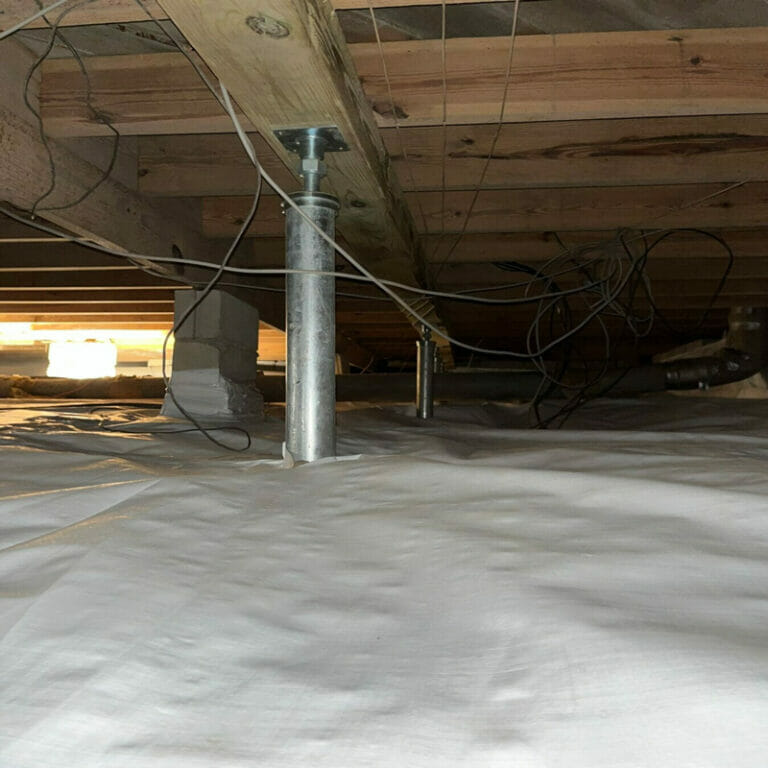
Laying a heavy-duty vapor barrier over the ground is essential. Many companies use full encapsulation for the best results. This includes sealing the floor with a thick liner and sometimes running it up the walls.
It also involves closing old vents and controlling humidity with mechanical dehumidifiers. You will see similar products discussed by companies that specialize in sump pumps, vent covers, and vapor barriers built just for these spaces. In very wet regions or for homes that sit in low spots, this step is not a luxury.
It is what keeps structural wood dry enough to stay strong year after year. A dry crawl space is a stable crawl space.
Insulation And Air Sealing
Insulation that has gotten wet, chewed, or fallen down stops doing its job. Fiberglass batts are notorious for absorbing moisture and becoming heavy. They eventually fall out from between the joists.
Replacing damaged insulation in the right places makes a big difference. Sealing air leaks around rim joists and access points can also bring a noticeable boost in comfort. Think of the gap between the ground and your floor as one of the biggest paths for heat loss in winter.
It is also a major source of heat gain in summer. Sealing and insulating it cuts drafts. This helps your heating and cooling system work less to keep rooms comfortable.
Home repair guides that compare common upgrades often point out that sealing gaps can save more on energy over time than certain shiny new gadgets. It is boring work, but very high impact.
Structural Repairs And Floor Support
If framing has already started to sag or rot, you may need new support beams. Sometimes contractors will “sister” new joists alongside the old ones to restore strength. In other cases, added support posts or jacks are required to lift the floor back to level.
This kind of repair is rarely a weekend project. It needs solid load calculations and proper hardware. Foundation and crawl space firms use different support systems based on soil type and the span they are holding up.
That is why reading about inspiring or unusual home repair stories, like some covered in more creative pieces such as profiles of people changing how repairs get done, still leads back to a simple truth. At the end of the day, framing has to meet basic structural standards or the house suffers. The earlier you catch sag or soft spots in beams, the more you can do with moderate fixes.
Waiting until the wood fails completely requires major rebuilds.
Planning Crawl Space Home Repairs That Actually Last
The real goal is not just to clean up your crawl space once. It is to fix the root problems so they stop coming back every season. That calls for a bit of planning, even if your budget is limited.
A smart approach does three things. It addresses what is broken right now. It controls the moisture and air that caused it.
And it makes the space easier to service next time. Following a logical order of operations prevents you from ruining new work. For example, do not install new insulation before fixing the roof leak or the plumbing drip.
Conclusion
Think of crawl space home repairs as an investment in your comfort, your health, and your house value. A healthy crawl space means a healthier living environment for your family. The sooner you stop treating that space as an afterthought, the more money and stress you can save over the coming years.
