
You found it—the perfect house with the great yard and the kitchen you’ve been dreaming of. But there’s one detail giving you pause: it has a crawl space. For many homebuyers in and around Goldsboro, NC, this can raise concerns about moisture, air quality, and long-term upkeep. Crawl spaces are common throughout North Carolina, but understanding what to look for and when crawl space repair may be necessary can help you make a confident decision.
A crawl space foundation is often more affordable to build than a full basement and offers easier access to plumbing and electrical systems than a slab. However, without proper maintenance, crawl spaces can develop issues that affect the entire home. That’s why many local homeowners turn to Impact Crawlspace for reliable waterproofing and repair services.
In this guide, we’ll walk through the essential checks and tips you need before buying a house with a crawl space so you know exactly what to expect.
What To Look for When Buying a House With a Crawl Space
You do not have to be a home inspector to spot the major red flags. Your own eyes and nose can tell you a lot about the condition under the house. Knowing where to look and what certain signs mean for the home’s future health and your wallet is important.
The Myth of Open Vents
Years ago, the common belief was that a vented crawl space was necessary for air circulation. The idea behind the crawl space vent was to keep the area dry. We now know this is completely backward, especially in humid climates, where it can lead to common problems.
An open crawl space lets damp, humid air in all summer long. This moist air then hits the cooler surfaces under your home, like ductwork and pipes, and condensation forms. This constant moisture is a recipe for disaster and can damage insulation.
Instead of helping, open crawl space vents actually invite mold growth, wood rot, and pests. Modern building codes now support sealing crawl spaces, not ventilating them with outside air. Closing a space vent is often the first step in proper moisture control.
Obvious Signs of Moisture Problems
Moisture is the number one enemy of a healthy crawl space foundation. You might not see it directly, but the symptoms often show up elsewhere in the house. Your nose is one of your best tools here to detect crawl space moisture.
Does the house have a musty, damp smell? That odor is often caused by mold and mildew happening right under your feet. Do not ignore it, because it is a huge clue that there are moisture problems below.
Other signs of too much space moisture include the following:
- Condensation or sweating on the HVAC ductwork.
- Damp, sagging, or fallen crawl space insulation.
- Efflorescence, a white, chalky substance on the foundation walls.
- Hardwood floors that are buckled or cupping.
- High humidity levels inside the living area.
Any of these issues points to a problem that needs to be addressed. The Environmental Protection Agency warns that mold can cause health issues, so this is not just about protecting the house structure. You must control moisture to have a healthy home.
Standing Water Is a Major Red Flag
If you or your inspector sees puddles of water in the crawl space, stop and pay attention. This is not just a little dampness; it is a sign of a real water intrusion problem. Crawl space water is a much more serious issue than just humidity.
Water can get in from a plumbing leak, poor water drainage around the foundation, or a high water table. Whatever the cause, standing water can quickly lead to severe wood rot and crawl space damage, affecting support posts and joists. It creates a perfect breeding ground for insects like termites and carpenter ants.
A crawl space with standing water means its drainage system has failed, or it never had one. This absolutely must be fixed. You will need to think about the cost of installing an interior drain and one of the various systems that sump pumps can offer.
Pests Love a Neglected Crawl Space
Nobody wants to buy a house that already has roommates. A damp, dark, and unsealed crawl space is an open invitation for a pest infestation. We are talking about unwanted pests like rodents, insects, and sometimes even larger pests like raccoons.
These critters do not just stay in the crawl space. They can chew through electrical wiring, destroy air ducts, and turn your insulation into a nesting ground. The National Pest Management Association notes that pests often enter homes through foundational cracks and openings around the ground level.
Evidence of pests, like droppings or chewed materials, should be taken seriously. A proper crawl space repair that seals the area is the best way to keep them out for good. But first, you have to get rid of the current residents.
Crawl Space vs. Other Foundations
Not all foundations are created equal, and it helps to understand why a builder chose a crawl space. Unlike slab foundations, which are concrete pads poured directly on the ground, crawl spaces provide access to utilities. This makes repairs to plumbing, HVAC, and wiring much easier.
Basement foundations offer the most utility, often providing extra living space. However, they are also the most expensive to construct and are not suitable for all soil types or water tables. Foundations require careful planning.
Crawl spaces provide a middle-ground solution. They elevate the home off the ground, protecting it from ground moisture better than a slab. They typically have a low ceiling height, often just a few feet high, which is why you have to crawl.
How To Fix a Problem Crawl Space
OK, so you found some issues. Does this mean you should walk away from the house? Not necessarily. Most common crawl space problems are fixable with today’s technology, and a damaged crawl space can be restored.
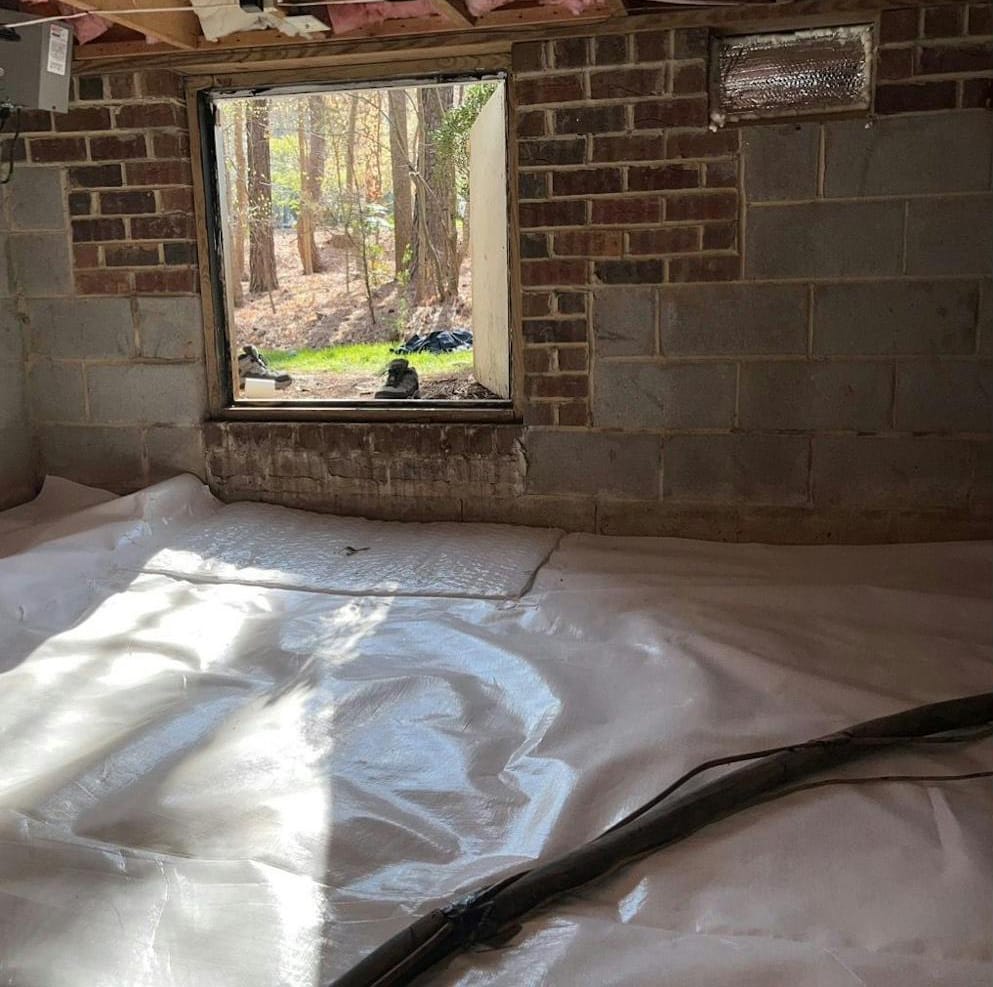
The modern solution is called crawl space encapsulation. This process involves completely sealing the space from the outside air and the damp earth with crawl space waterproofing. A contractor will install a heavy-duty vapor barrier across the ground and up the foundation walls, cover the vents, and seal all other air leaks.
For water issues, a sump pump and drainage system are installed to actively remove any space water that gets in. A special dehumidifier is also added to control the air moisture levels automatically. This turns a nasty space into a clean, dry, and healthy part of your home, which helps protect your investment and improves indoor air quality.
Our Conclusion
A crawl space itself is not good or bad; its condition is what truly matters. Many homebuyers get scared off by the thought of them, but now you know the specific problems to watch for. Finding issues does not have to be a deal-breaker if you are prepared for the solution, like a needed crawl space repair.
Knowing what you are looking at gives you the power to negotiate or plan for repairs. A properly maintained crawl space means the foundation is good. Making a smart decision when buying a house with a crawl space comes down to a thorough inspection and understanding the costs to fix any problems you find.