If you own a home in North Carolina, crawl space waterproofing is likely one of those projects you know you should tackle. You might keep pushing it off, hoping for the best. The truth is, your crawl space has a massive impact on your comfort and health.
It also influences your long-term costs more than almost any other hidden area in your house. From humid coastal towns near Wilmington to inland areas like Raleigh and Fayetteville, this protection is essential. Crawl space waterproofing is one of the smartest money moves you can make as a homeowner.
You avoid big repair bills later by addressing moisture now. It also helps significantly cut your power bill. Ultimately, it keeps your house healthier to live in and easier to sell when the time comes.
Why North Carolina Crawl Spaces Are Such a Problem
North Carolina has a difficult mix of coastal humidity, heavy rain, and clay-rich soil. That combination keeps moisture trapped under homes for long periods. Unlike sandy soil, red clay doesn’t allow water to drain away quickly.
The North Carolina Climate Office shows that many counties see over 45 inches of rain per year. This volume of water puts immense pressure on your foundation.
All that moisture loves to sit in your crawl space. Wood joists, fiberglass insulation, and the dirt floor act like a sponge. Over time, you see issues stack up fast as materials begin to degrade.
What Constant Moisture Does to Your Home
Moist air doesn’t just sit in the crawl space. It rises through the floors and spreads throughout the house. It affects your hardwood floors, your indoor air quality, and your power bill.
The Environmental Protection Agency has warned for years that damp indoor spaces can lead to mold and asthma symptoms. It creates an environment where allergens thrive.
Here’s how that looks in a North Carolina crawl space over time.
|
Problem |
What You See |
Long-Term Cost Impact |
|
High humidity |
Musty smells, sticky floors, sweating ducts |
Higher cooling costs, faster wear on HVAC |
|
Standing water |
Puddles, muddy ground, rusting metal |
Wood rot, pest activity, sagging floors |
|
Mold growth |
Visible mold, strong odors, and allergy flare-ups |
Expensive mold remediation, health concerns |
|
Wood decay |
Bouncy floors, sticking doors, cracked drywall |
Costly structural repair, jacking, and beam work |
That is why our team at Impact Crawlspace focuses on long-term fixes rather than temporary ones. We want to stop the root cause of the moisture. Waterproofing your crawl space changes how your home performs for decades, not just for a season.
How Professional Crawl Space Waterproofing Helps Cut Long-Term Costs
Some homeowners try quick fixes, like throwing down a bag of lime or installing a cheap box fan. But that does little against coastal humidity or a high water table. These methods often fail within months.
A professional NC crawl space waterproofing service uses several components that work together. These systems help ensure moisture doesn’t stand a chance. Here is the general flow of a proper installation.
1. Controlling Water at the Source
First, we deal with water trying to enter the foundation. That often means installing a perimeter drainage system and a sump pump. We also seal up any obvious leaks or cracks in the masonry.
A drain line, gravel, and a pump together pull water away instead of letting it sit. This keeps the soil under the home much drier.
Once liquid water is managed, you cut down the constant cycle of wet and dry conditions. This cycle is what destroys wood and masonry over time. Stopping the water intrusion is the most critical first step.
2. Sealing Ground Moisture and Outside Air
Next, we block the main paths that bring new moisture in every day. That usually means installing a heavy vapor barrier, sealing the seams, and closing the vents. The goal is to separate the house from the damp earth.
Building science experts have studied vented crawl spaces for years. They found that open vents pull in more moisture than they let out in humid states.
So we focus on ground coverage and sealing. This stops soil moisture from pumping into your home like a slow fog. It effectively turns your crawl space into a semi-conditioned area.
3. Controlling Humidity for Good
Even after you remove most of the moisture, coastal and inland humidity in North Carolina remains strong. It can penetrate even sealed spaces. That’s where crawl space dehumidifiers come in.
A well-sized, high-efficiency unit keeps relative humidity under about 60%. The American Lung Association notes that keeping humidity between 30% and 50% is ideal to discourage mold growth. It stops swinging with every sticky summer day. This stability protects the structural integrity of your floor joists.
How Waterproofing Your Crawl Space Reduces Repair Bills
Now, let us talk dollars, because this is where most homeowners feel the pain or the relief. Ignoring the crawl space creates a snowball effect on your finances. Water problems in a crawl space rarely stay small.
They start cheap, perhaps as a small leak or a bad smell. Then they turn into big repair projects that hit you all at once. Here is a rough cost comparison.
|
Issue |
Typical Repair Without Waterproofing |
What Waterproofing Helps You Avoid |
|
Mold cleanup |
$3,000–$10,000+ depending on spread |
Large-scale mold remediation |
|
Structural damage |
$5,000–$25,000+ for beams and jacks |
Joist and sill replacement, floor jacking |
|
Insulation damage |
$1,500–$4,000 to remove and replace |
Falling, moldy fiberglass insulation |
|
HVAC corrosion |
$4,000–$12,000 to replace units and ducts |
Rusty ductwork and failing systems |
Waterproofing your NC crawl space costs money up front, sure. But stacked against these numbers, the investment makes sense. Most systems pay for themselves by avoiding just one major structural repair.
Energy Efficiency Gains You Can Feel on Your Power Bill
If your crawl space is damp and vented, your HVAC works harder than it should every single day. It has to cool moist air in the summer and heat freezing air in the winter. You feel that inefficiency in your bill, even if you don’t see the cause.
Researchers have found that crawl space encapsulation significantly reduces energy use. It improves how ducts and floors handle temperature swings.
For you, that often shows up as:
-
Less dust and a musty smell when the system kicks on.
-
Lower heating and cooling costs year-round.
-
More even temperatures in rooms above the crawl space.
Your floors stay warmer in winter and cooler in summer. This feels better on your feet and puts less strain on your HVAC system. Over 10 or 15 years, that reduction in wear and tear matters as much as the power savings.
Preventing Mold Remediation Costs Before They Start
Mold remediation is one of those things most homeowners never plan for. Then a home inspector finds growth in the crawl space. Suddenly, you’re writing a huge check before you can close on a sale.
Waterproofing attacks the conditions mold loves. Without moisture, the growth never has a chance to take off. Dry wood, lower humidity, and regular air movement are your best friends if you want to avoid bringing in a mold company later.
Protecting Your Resale Value With Crawl Space Waterproofing
Buyers in North Carolina are more educated than ever. They ask specifically about crawl spaces during the buying process. They bring inspectors who know exactly where to look for water damage.
If your crawl space is damp, musty, or clearly patched, you can expect pushback. That shows up as lower offers or demands for large repair credits. In some cases, deals fall through entirely because of foundation fears.
On the other hand, a clean, dry, well-sealed crawl space is a huge selling point. It tells buyers you take care of hidden problems. It signals that the home has been well-maintained.
How Impact Crawlspace Helps Your Home Show Better
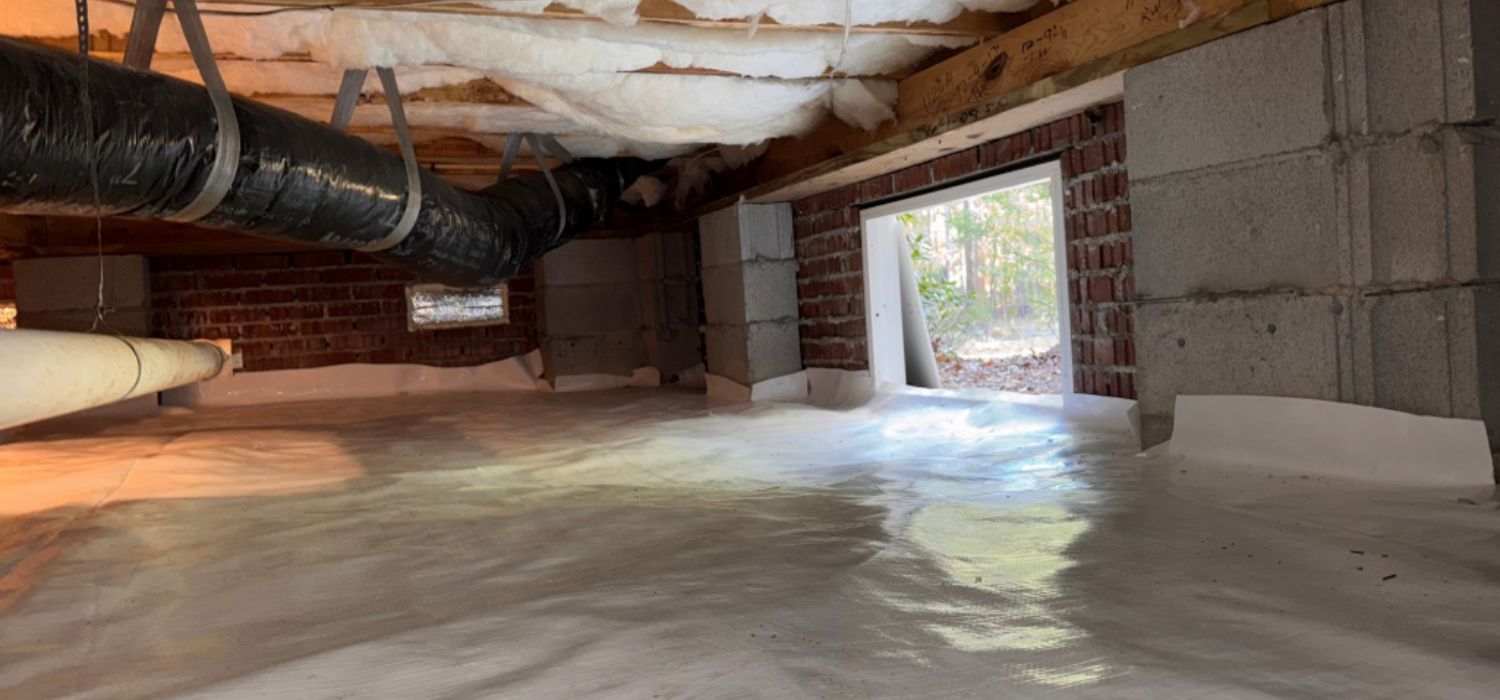
Our waterproofing projects aim to make your crawl space something you’re not embarrassed to show buyers. We want it to look like a clean, functional part of the home. That means focusing on the details:
-
Bright white ground cover instead of muddy soil.
-
No musty smell drifting through the first floor.
-
Neat drainage and pump layout, not messy hoses and cords.
Real estate agents know a clean inspection report on moisture and mold helps sales move faster. It removes a major barrier to closing the deal. So this kind of work often pays you back when it’s time to move on.
Is It Time To Waterproof Your Crawl Space?
If you’re not sure where your crawl space stands right now, think about your daily experience. Little signs usually point to bigger problems under the floor. You might be living with wet crawl space symptoms without realizing it.
Here are a few simple questions to ask yourself:
-
Are some rooms always colder in winter or hotter in summer?
-
Do you notice musty odors near vents or along baseboards?
-
Do your floors feel soft or springy in certain spots?
-
Has your power bill crept up even though your habits have not changed?
-
Have you seen any standing water under the home after a storm?
If you answered yes to any of those, your crawl space is trying to get your attention. These issues rarely resolve themselves. A professional moisture check from a company that lives and breathes NC crawl space waterproofing can give you clear answers.
Our Conclusion
Crawl space waterproofing isn’t the most exciting home project, but it’s one of the smartest. In a humid, rainy state like ours, letting moisture sit under your house is a mistake. It’s like leaving money, comfort, and peace of mind on the table.
A properly waterproofed crawl space reduces long-term repair costs and protects you from sudden mold remediation expenses. It makes your home more energy efficient and comfortable to live in. It also helps keep your resale value strong in a competitive market.
If your crawl space has been out of sight and out of mind, this is your sign to give it a second look. Ignoring it only lets the damage grow. The right crawl space waterproofing plan from Impact Crawlspace turns that damp space into a quiet asset that works for you.