
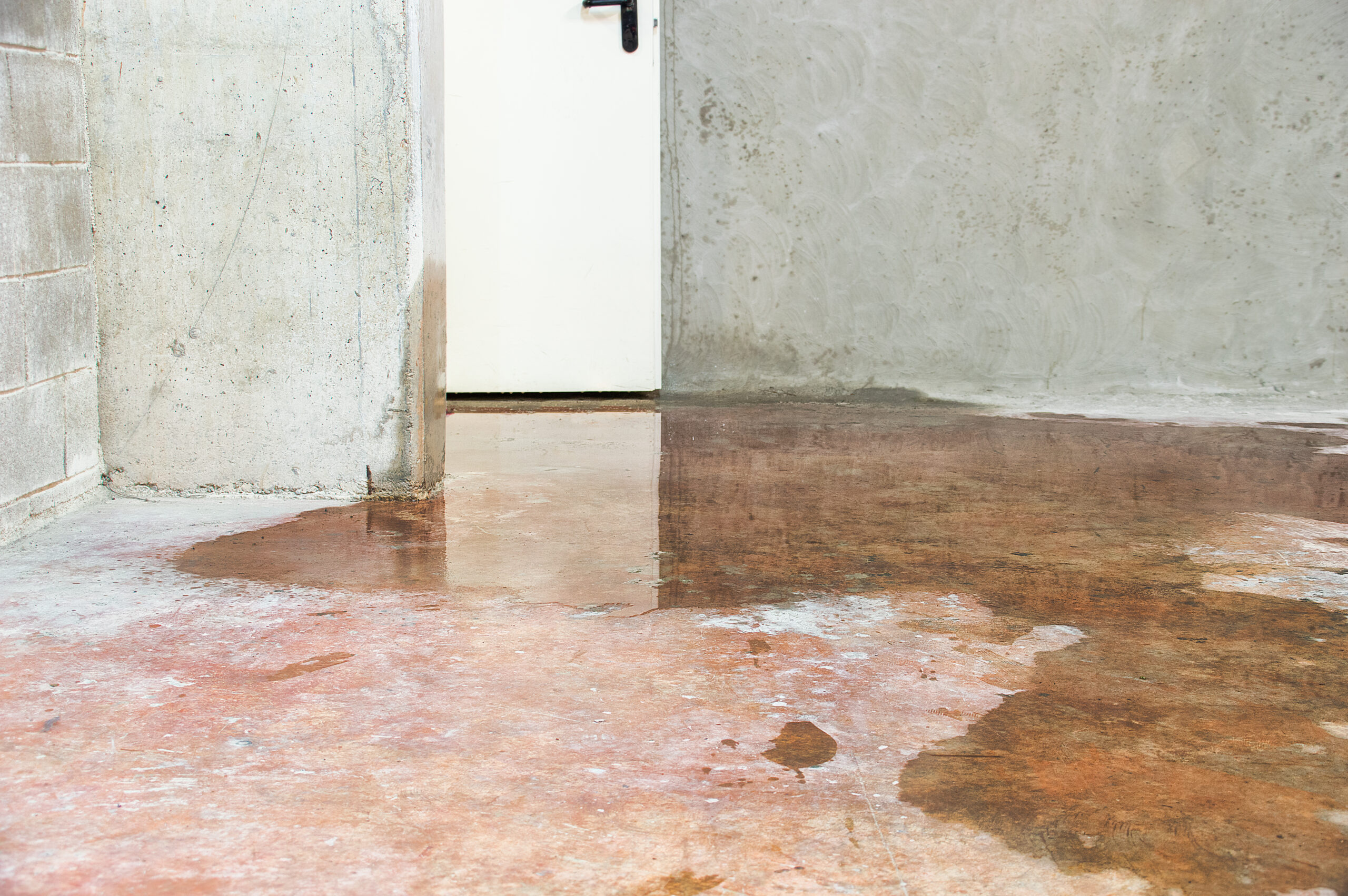
That sinking feeling when you open the basement door is all too familiar for many Goldsboro, NC, homeowners. The musty odors hit first, then you notice the water pooling in your basement. It’s frustrating, overwhelming, and can even threaten your home’s structure if you don’t do anything about it. The real issue often goes beyond surface water—it’s a foundation waterproofing problem.
At Impact Crawlspace, we understand how common basement water issues are in eastern North Carolina, especially after heavy rain or sudden storms. Many homeowners in and around Goldsboro face the same challenges, but the good news is that proven foundation waterproofing solutions can stop water at its source, protect your home, and restore your peace of mind.
Why Is My Basement Wet in the First Place?
Before you can fix the problem, you have to know what’s causing it. Water is persistent, and it finds sneaky ways into your home. It usually comes down to one of a few common culprits.
Poor Exterior Drainage
Often, the problem starts outside your home. If the ground slopes toward your foundation, it directs rainwater and runoff right against your basement walls. Clogged gutters or downspouts that dump water too close to the house also contribute to excess water saturation in the soil.
This creates immense pressure against your home’s foundation. Effective exterior drainage is your first line of defense. Proper grading and functional gutters can also help prevent many water issues before they begin.
Pesky Plumbing Leaks
Sometimes the enemy is already inside your house. A burst pipe, a leaky water heater, or even a failed washing machine hose can dump a lot of water fast. This type of flooding is often sudden and obvious, requiring immediate attention to prevent widespread damage.
Leaky Basement Windows
Your basement windows can be another weak spot. If the window wells outside get clogged with leaves and debris, they can fill up with water during a storm. The pressure from that collected water can push through seals and right into your basement, creating puddles and dampness.
Foundation Leaks and Cracks
This is a common reason for a persistently damp basement. Your home’s foundation sits in the ground, surrounded by soil. When that soil gets saturated, it creates hydrostatic pressure against your foundation walls, which can force water through any foundation crack or weak point.
Even a tiny crack can become a significant entry point for basement water. Timely crack repair is vital for maintaining your home’s structural integrity. Addressing these issues with professional waterproofing services is a smart move to prevent bigger problems.
Your Step-by-Step Guide to Lasting Wet Basement Solutions
Seeing water in your basement can be alarming, but following a clear plan will help you handle the situation safely and effectively. You can get your home back to normal and implement lasting basement waterproofing solutions. This will protect your property and your family’s health.
Step 1: Your Safety Comes First
We can’t stress this enough: a flooded basement can be a dangerous place. Water and electricity are a deadly combination.
Never walk into standing water if the power is still on. You risk a serious electrical shock. If you can safely reach your home’s breaker box, shut off the power to the basement before you go down there.
Step 2: Find the Source of the Water
Once it’s safe to enter, it’s time to play detective. Where is the water coming from? Is it pouring from a burst pipe, or is it seeping in all along a basement wall?
Figuring out the entry point will tell you what kind of fix you need. A plumbing issue needs a plumber, but water coming through the basement foundation needs a waterproofing expert. If you’re not sure, it’s best to request a free estimate from a professional for an inspection.
Step 3: Get Rid of Water and Damaged Items
You need to get the water and wet items out as quickly as possible. The longer the items stay moist, the more damage they’ll have. Mold can start growing in as little as 24–48 hours, which negatively impacts your home’s air quality.
You need to move anything that is soaked. Some items might be salvageable if you dry them properly, but anything porous, like drywall or carpet, often has to go. This step is a lot of work, but it’s critical for preventing costly repairs later.
Step 4: Put a Permanent Fix in Place
Bailing out water every time it rains is not a solution. You need a comprehensive solution that keeps your basement dry automatically. This is where professional basement systems and waterproofing solutions come in.
An interior drainage system is one of the best ways to control water. A system using drain tile or footing drains captures any water that seeps through the foundation walls and directs it to a sump pump. Professional sump pump installation ensures the system actively pumps the water out and away from your foundation.
For more persistent water problems, consider exterior drainage systems. A French drain can be installed around the perimeter of your home to carry water away before it reaches the foundation. Sealing basement walls with a waterproof barrier can also add another layer of protection against basement moisture.
What About a Crawl Space?
If your home has a crawl space instead of a full basement, it’s just as vulnerable to moisture. Crawl space waterproofing is essential for preventing mold, wood rot, and poor air quality. A damp crawl space can seriously affect your home’s structural integrity.
A popular and effective solution is crawl space encapsulation. This involves sealing the entire space with a heavy-duty vapor barrier. Combined with crawl space repair and a high-efficiency dehumidifier, encapsulation creates a clean, dry, and healthy environment under your home.
Our Conclusion
Finding a puddle in your basement is a terrible experience for any homeowner in Goldsboro and beyond. But it’s a problem that has real, permanent waterproofing solutions. By identifying the cause, whether it’s a foundation crack or poor drainage, you can take the right steps to repair your basement.